


1 months payback period
reduced total cost of ownership
faster time-to-market
reduction in operational inefficiency
Terminal49 operated within a fast-moving logistics technology environment where product execution depended heavily on direct communication, fragmented coordination, and informal operational processes across a small cross-functional team
Industry:
Supply chain & logistics
Organization scale:
+10 Employees
Operational structure:
Agile startup environment
Scale metrics:
Cross-functional product workflows
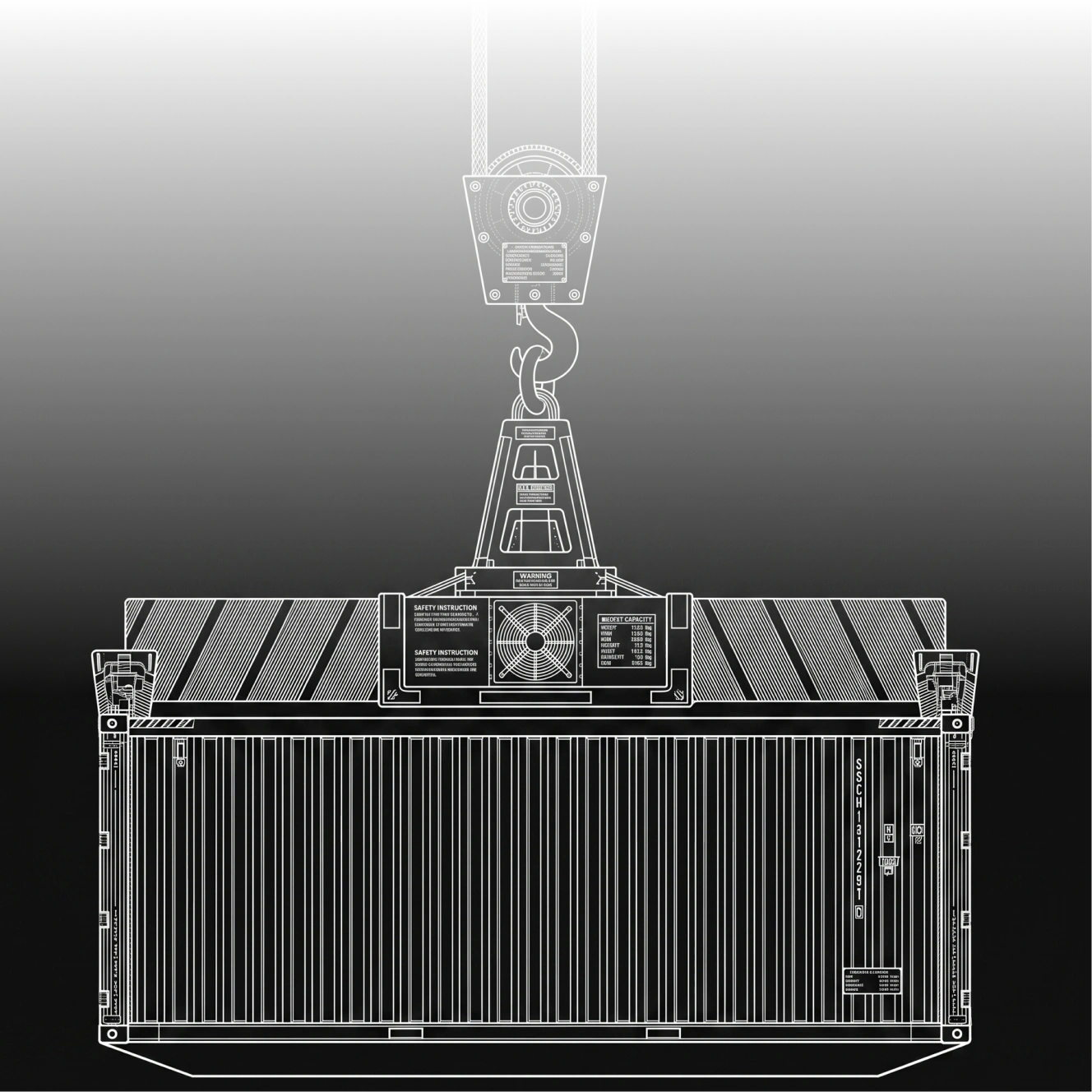
As execution complexity increased across product initiatives, operational coordination relied heavily on meetings, direct messaging, and undocumented decisions. Without centralized workflow visibility, delivery consistency became increasingly difficult to maintain as execution scaled

Fragmented operational communication
Critical execution context was distributed across calls, chats, lost emails and informal conversations

Lack of centralized workflow visibility
Teams struggled to track operational progress, ownership, delivery status consistently and predict deadlines

Execution dependency on individuals
Workflow continuity relied heavily on direct coordination between specific team members and stakeholders

Limited operational structure
Delivery processes evolved organically without standardized execution systems or scalable operational workflows
The operational infrastructure improved workflow visibility, centralized communication, and reduced execution friction
• Centralized workflow tracking
• Clearer execution ownership
• Reduced operational fragmentation
• Lower dependency costs
• Improved production efficiency
• Reduced execution risk
• Reduced workflow confusion
• Improved execution consistency
• Reduced communication fragmentation
As the organization scaled, execution complexity increased across workflows, communication, and different business areas

Centralized operational workflows
Teams gained a single source of visibility across execution environments

Reduced communication fragmentation
Operational decisions became more visible and easier to trace across workflows

Structured task management
Work entered execution with clearer ownership, expectations, and operational context

Lightweight execution infrastructure
Teams introduced scalable operational structure without increasing unnecessary processes
"Execution across product initiatives previously depended heavily on direct communication and fragmented coordination. Max introduced operational structure that improved workflow clarity and reduced execution overhead"

Audit & Alignment
We analyze current flows across Terminal49, identify operational inefficiencies and execution gaps

Implementation
The system is applied to real tasks, aligning in real time designers, developers, and product managers

Autonomy
Team operates independently within the system, with clear processes and predictable execution
Audit & Alignment
We analyze current flows across Terminal49, identify operational inefficiencies and execution gaps
Implementation
The system is applied to real tasks, aligning in real time designers, developers, and product managers
Autonomy
Team operates independently within the system, with clear processes and predictable execution
As organizations grow, execution friction compounds across every operational layer. The earlier structured execution systems are introduced, the easier it becomes to scale delivery without scaling chaos
Book a Call